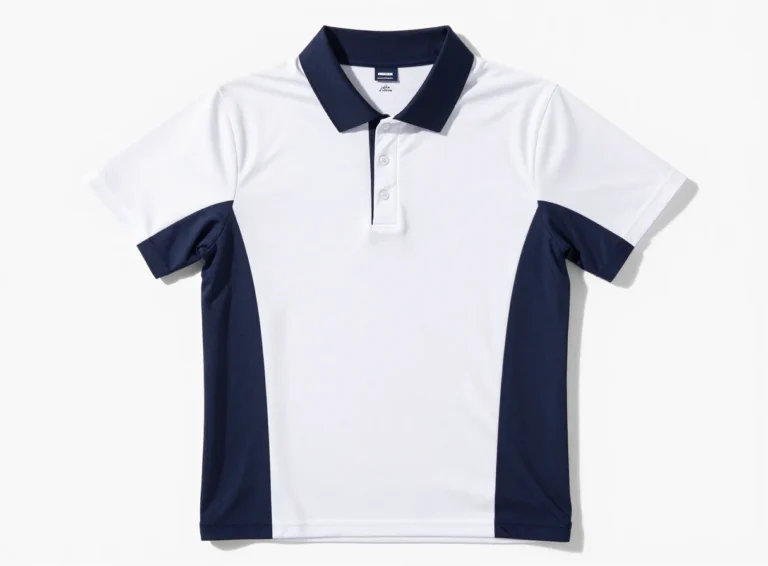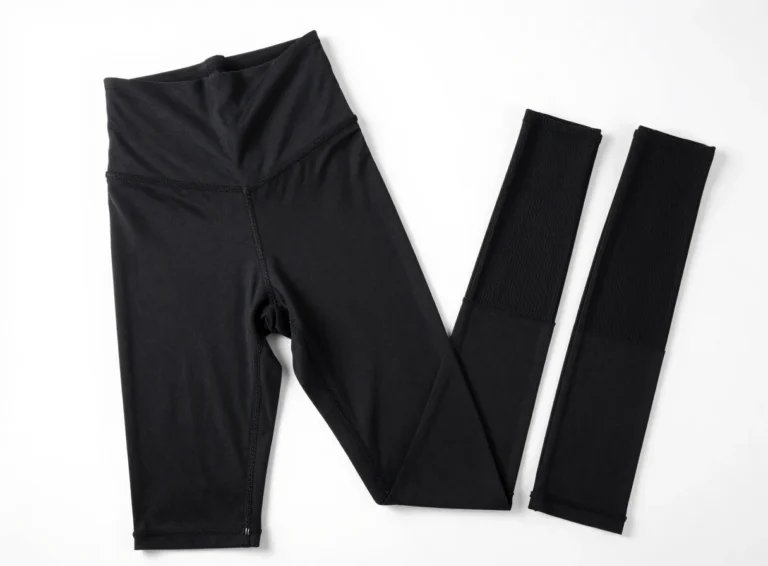
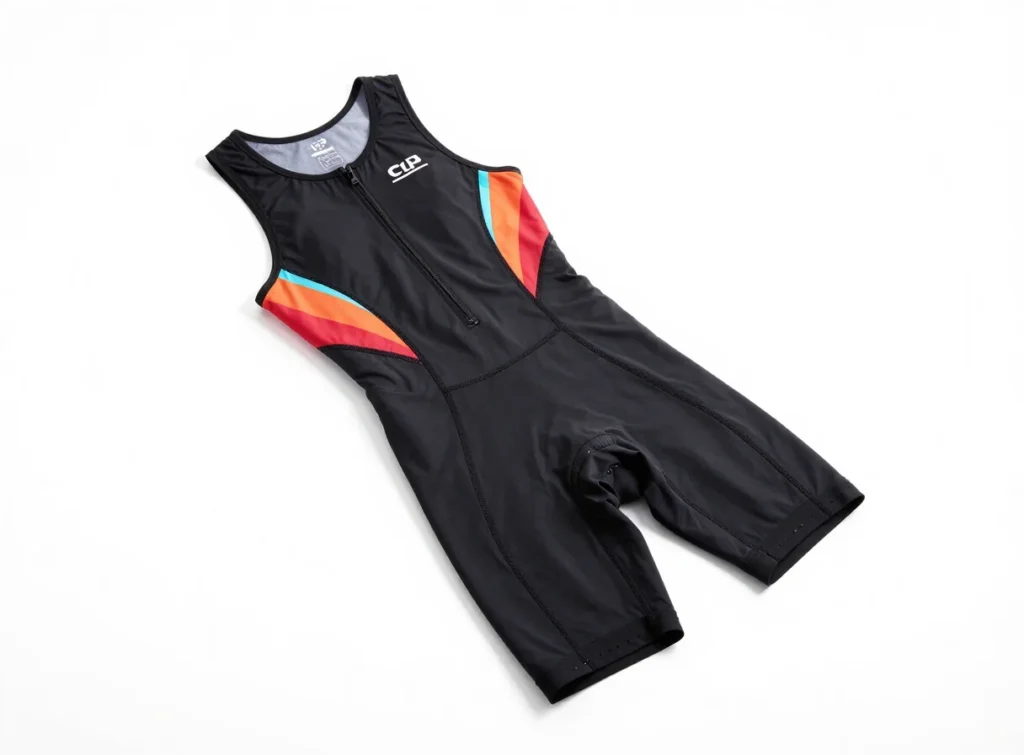
A good triathlon club kit does three jobs in one race: it has to dry fast after the swim, stay comfortable on the bike and not rub on the run. That is why tri suits are one of the most technical garments a club can order, and why getting the details right before production matters.
This guide explains the choices clubs and multisport brands need to make: one-piece or two-piece, fabrics, chamois pads, design and sizing, so your next kit order goes smoothly.
One-Piece or Two-Piece Tri Kit?
| Option | Pros | Best for |
| One-piece tri suit | Most aerodynamic, nothing rides up, one item to fit | Racing clubs, long-course athletes |
| Two-piece (tri top + tri shorts) | Easier toilet stops, mix sizes top and bottom | Beginners, clubs with varied body shapes |
| Sleeved tri suit | Extra sun protection and aero benefit | Long-distance and hot-weather events |
Many clubs offer both options in the same design, so members can choose what suits them. See our custom triathlon suit manufacturing page for all styles.
Fabrics: What a Tri Suit Needs
- Quick-dry compression fabric on the body, usually nylon spandex or poly spandex
- Mesh panels on the back and sides for airflow on the bike and run
- Firm leg fabric with silicone grippers so shorts stay in place
- Sublimation-friendly fabric so club colours and sponsor logos stay sharp
The Tri Chamois Is Different from a Cycling Chamois
A tri suit uses a much thinner pad than cycling bib shorts. It needs to drain water quickly after the swim and not feel bulky on the run. A thick cycling chamois in a tri suit feels like running in a wet sponge, so always confirm the pad type with your manufacturer.
Designing Your Club Kit
Most tri kits are fully sublimated, which means there is no limit on colours or sponsor logos. A few design tips:
- Put the club name large on the chest and back so supporters spot you on course
- Keep sponsor logos where they stay visible when riding: chest, upper back and thighs
- Use darker colours on the seat and inner thigh for a cleaner look when wet
- Add reflective details if members train on open roads
Many clubs order matching cycling team kits, cycling jerseys and running singlets in the same design for training.
Sizing a Club Order
Tri suits fit tightly, so sizing is the biggest risk in a club order. The best approach is:
- Ask your factory for a size set and let members try it on
- Collect sizes in a shared spreadsheet before you confirm the order
- Order a small extra quantity in the most popular sizes for new members
- Keep the factory’s pattern and artwork on file for easy reorders
Timeline for a Triathlon Club Kit
Plan backwards from your first race. Allow time for design, a sample (8 to 10 days at our factory), size collection, bulk production (3 to 4 weeks) and shipping. Starting 8 to 10 weeks before race day gives you a comfortable margin.
Also building a cycling range? Read our guide to choosing a cycling wear manufacturer in Pakistan.
Work with Sialkot Fitness Wear
Sialkot Fitness Wear is a custom and private label manufacturer in Sialkot, Pakistan, making tri suits, tri tops and tri shorts for export clients in the USA, Canada, UK, Europe, Australia and the Middle East. Our MOQ is 50 pieces per style, colour and design, samples take 8 to 10 days, and bulk orders take 3 to 4 weeks, shipped door-to-door by DHL or FedEx with duties-paid (DDP) delivery available.
Ready to start? Send us your designs and quantities for a free quote.
Frequently Asked Questions
What is the difference between a tri suit and cycling bib shorts?
A tri suit has a thin, fast-draining pad and quick-dry fabric so it works through the swim, bike and run. Cycling bib shorts have a thicker chamois made only for riding.
Should our club choose one-piece or two-piece tri suits?
One-piece suits are faster and do not ride up, while two-piece kits are easier to size and use. Many clubs offer both in the same design.
How early should a triathlon club order its kit?
Start about 8 to 10 weeks before your first race to allow for design, sampling, size collection, production and shipping.